
Wildlife Photography in Tadoba & Pench: Permits, Light & Lenses (2026)
A practical guide for wildlife photographers: the official full-day photography permit, safari timings for the best light, which lenses to pack for an open gypsy, the rules that get people fined, and how to plan four safaris around the shots you want.
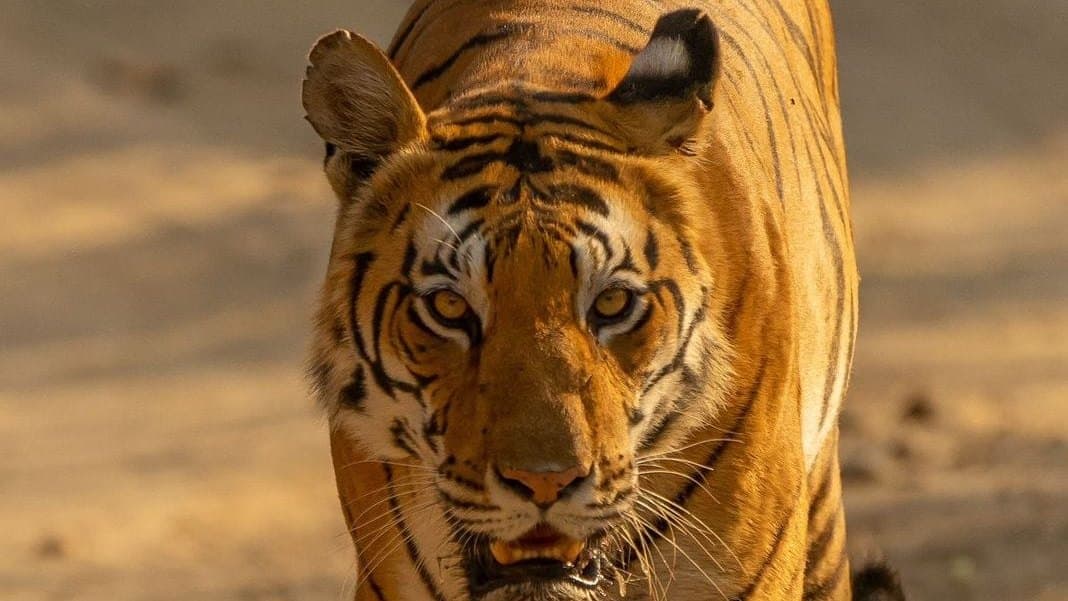
Tadoba and Pench are two of the most photographed tiger forests in India — and for good reason. Tadoba's open dry-deciduous forest puts tigers on roads and at waterholes in clean light. Pench adds teak, the river, leopards and wild dogs. This guide covers what a photographer needs to plan: permits, light, gear and the rules.
Permit details are from the official Tadoba–Andhari Tiger Reserve portal, checked in October 2026.
The full-day photography safari
Most photographers shoot on regular morning and evening safaris (around four hours each). For serious work, Tadoba also offers a full-day photography / videography safari in the core zone:
| Indian tourists | Foreign tourists | |
|---|---|---|
| Entry fee | ₹38,000 | ₹58,000 |
| Guide fee | ₹2,100 | ₹2,100 |
| Gypsy fee | ₹9,900 | ₹9,900 |
| Total per jeep | ₹50,000 | ₹70,000 |
The rules that matter:
- Only three jeeps a day are allowed in the core on full-day permits.
- You apply to the Field Director, and you need a confirmed regular online booking (morning or evening) for the same day and gate.
- Maximum four guests, plus the driver and guide. Only the people named on the ticket may ride.
- The jeep may enter 15 minutes before opening and leave 15 minutes after closing, so you get the first and last light.
- Full-day bookings are non-refundable.
At ₹50,000 it isn't for everyone. But on a full day you stay with a tiger through the midday lull, when regular jeeps have to leave.
Regular safaris: what photographers pay
A regular safari costs ₹5,800–₹12,800 per jeep (entry, guide and gypsy, up to six guests), depending on weekday or weekend and how far ahead you book. Each camera costs ₹250, paid at the gate. Our Tadoba safari cost guide has the full table.
Book the jeep for yourself. Two photographers in a six-seat jeep can each shoot from both sides. In a full jeep you'll fight for angles.
Light and season
Official safari timings change with the season:
| Season | Morning | Evening |
|---|---|---|
| Nov – Feb | 6:30 – 10:30 AM | 2:00 – 6:00 PM |
| Oct, Mar – Apr | 6:00 – 10:00 AM | 2:30 – 6:30 PM |
| May – Jun | 5:30 – 9:30 AM | 3:00 – 7:00 PM |
- November to February: the best light of the year — mist in the morning, gold after 4:30 PM, soft shadows. Tigers range widely, so sightings take more patience. See our winter guide.
- March to June: the best tiger odds, as shrinking waterholes pull tigers into the open. The light is harsh by 8 AM, so the first and last hour matter most. Dust is constant.
- July to September: core gates close, but the buffer stays open with green forest and dramatic skies. See Tadoba in monsoon.
What to pack
- Main lens: a 100–400 mm, 150–600 mm or 200–500 mm zoom covers most situations from a gypsy. Tigers are often 20–80 metres away.
- Second body with a 24–105 mm or 70–200 mm for habitat shots and close encounters. Changing lenses in the dust is how sensors get dirty.
- A bean bag, not a tripod. You shoot resting on the jeep's rail or roll bar; a tripod won't fit and isn't practical in a moving vehicle.
- Dust and rain covers, a blower, and lens cloths. Summer dust gets into everything.
- Spare batteries and cards. There's nowhere to charge inside the park.
Settings that work: shutter speed 1/1000 s or faster for a walking tiger, continuous autofocus with animal-eye detection, and auto ISO with a sensible cap. Shoot a burst when a tiger turns its head or steps out of cover.
Choosing gates
- Moharli has the most jeeps and the most reliable sightings, but crowded sightings make clean frames harder.
- Kolara has fewer jeeps per slot, so sightings are calmer — the photographers' favourite. See Moharli vs Kolara.
- Pench: Turia for tigers; Karmajhiri for the river, landscapes and birds. See our Pench guide.
Rules and ethics
These protect the animals and keep you from being fined:
- Stay in the jeep and on the track. Never ask the driver to go off-road or get closer than the guide allows.
- No flash, no calling or baiting animals. Tigers that are disturbed walk away, and the shot is gone for everyone.
- Phones and gadgets: using a phone or other device in a way that disturbs the forest or other visitors is a ₹5,000 fine under the reserve's rules.
- Drones: don't bring one without written forest-department permission. Elsewhere in India, a drone flown in a tiger reserve without permission was seized and its owner fined ₹1 lakh.
- No plastic inside the reserve.
Beyond the tiger
Some of the best frames in Tadoba aren't tigers:
- Birding machans at Moharli and Sitarampeth: ₹1,500 for two people, guide included — eye-level views of forest birds.
- Boating on the Erai backwaters (Sitarampeth): ₹2,000 per hour, for waterbirds and reflections.
- Butterfly World at Agarzari, for macro work.
Our birdwatching guide covers the birds in detail.
Plan a photography trip with us
Our Tadoba Luxury — 3 Nights package (from ₹1,20,000 per couple) includes a dedicated naturalist and tracker, who plans each safari around your shots. We can also apply for a full-day photography permit on your behalf.
Tell us your dates and what you want to shoot, or WhatsApp us.
Plan your trip
Ready to walk the forest?
We'll handle permits, property, and every small thing in between.
Plan my safari